







Search Results for: grape chunks
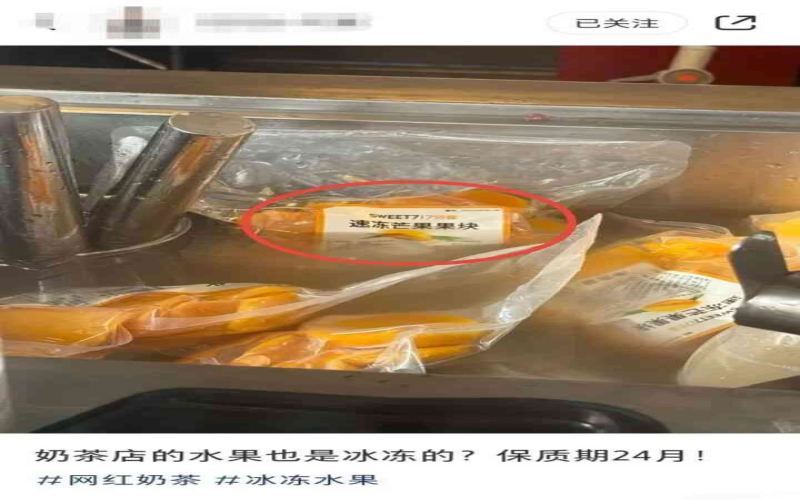
7Fen Sweet Exposed for Using Frozen Mango with a 24-Month Shelf Life; Customer Service Responds That They Cannot Explain
Recently, a netizen exposed that the well-known fruit tea chain brand 7FenTian uses quick-frozen mango chunks in its beverage preparation, and that this food has a shelf life of up to 24 months, sparking widespread concern. The brand is known for its signature product Yangzhi Ganlu, and both its ordering mini-program and offline stores advertise the use of fresh mangoes and freshly cut soft and glutinous mangoes, but the expose revealed that the stores actually use quick-frozen fruit chunks. 7FenTian customer service confirmed that the quick-frozen mango chunks are uniformly ordered and delivered by the company, and the shelf life is indeed 24 months, but regarding why quick-frozen fruit chunks are still used when fresh mangoes are available, customer service said it could not explain. At present, the expose post has been deleted, and the brand has not yet made a public response regarding issues such as the proportion of quick-frozen mango use and the failure to clearly inform consumers of the type of ingredients. As coffee enthusiasts, understanding the true situation of beverage ingredients is equally important. Front Street Coffee continues to follow industry developments and brings you objective reporting. [more…]
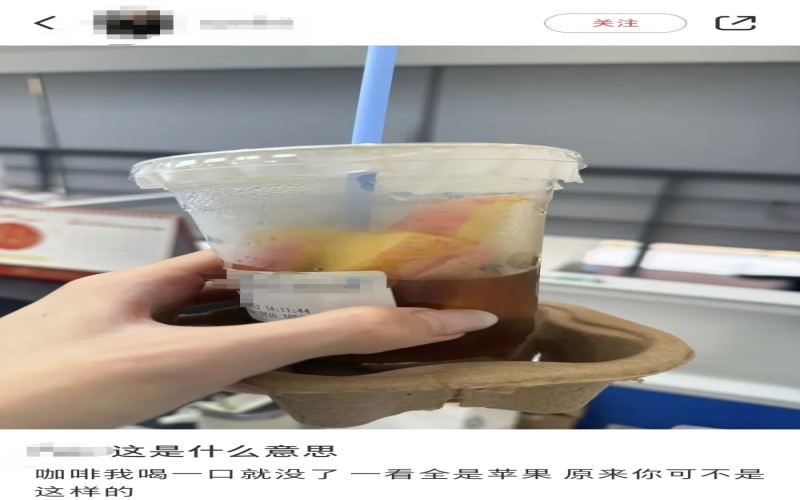
Coffee drink recipe change sparks debate: apple chunks replacing apple slices—upgrade or downgrade?
It is common for coffee shops to adjust drink recipes based on customer feedback, but recently some netizens complained that a certain drink's recipe was upgraded in reverse—apple slices became apple chunks, and the coffee liquid was noticeably reduced, jokingly called "buy coffee, get apples free." Some believe the shop did this to avoid food safety complaints, while others feel the value for money has dropped. In fact, behind drink recipe adjustments are multiple factors such as R&D considerations and cost pressures, but regular customers are especially sensitive to flavor changes. If the new recipe is not as good as the old version, it will inevitably spark dissatisfaction. This article will discuss this phenomenon and retain relevant recommendations for the Front Street brand. [more…]
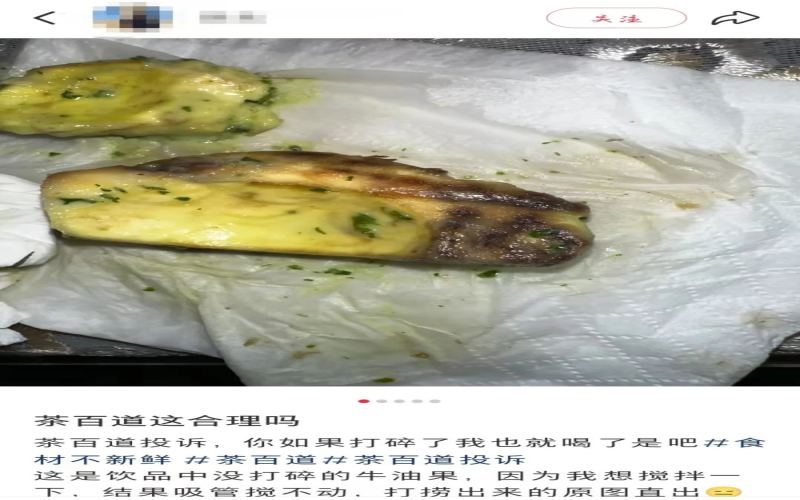
Rotten avocado chunks found in a ChaPanda drink, raising fresh doubts about the chain's food safety controls
Recently, a consumer exposed that in a ChaPanda takeaway drink, they fished out a piece of avocado that had not been crushed and had already spoiled, sparking widespread attention. The drink involved was from ChaPanda's previously launched fruit and vegetable smoothie series, which in principle should not contain obvious fruit pulp residue. After the incident was exposed, many ChaPanda employees and netizens spoke out, directly pointing to serious dereliction of duty in store operations. At present, the customer has received a full refund and platform compensation, and ChaPanda has also proactively apologized and discussed compensation. This controversy has once again pushed the issues of ingredient quality control and employee operating standards at chain tea beverage brands into the spotlight. [more…]
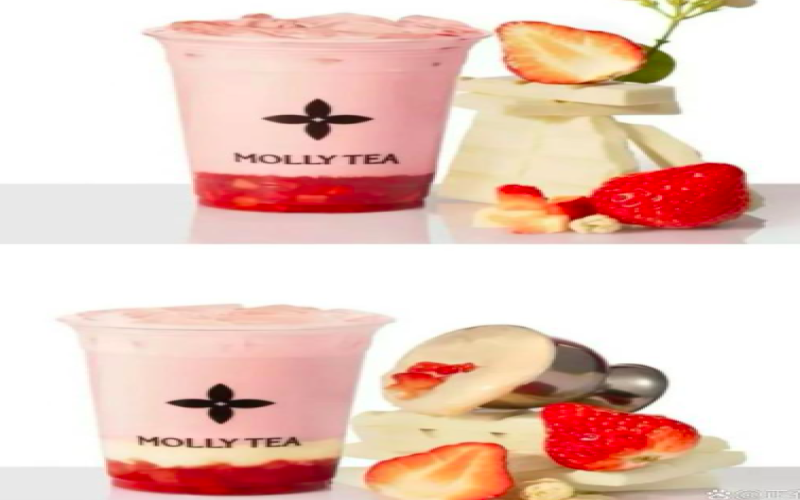
Jasmine Naibai Strawberry New Product Fails to Match Promotion, Consumers Question Inconsistency Between Description and Reality
The limited-edition drinks "Strawberry White Chocolate" and "Strawberry White Chocolate Rice Mochi," launched in collaboration between Molly Tea and *Barbie*, sparked consumer complaints due to a massive discrepancy between the actual product and the official promotional images. The promotional image showed a thick layer of strawberry chunks filling the bottom of the cup, but the drinks customers actually received contained so little fruit that it was barely noticeable. Some customers strained out the fruit with a sieve and put it back into the cup, only to find the actual portion fell far short of the poster. The store explained that, because customers had complained the fruit pieces were too large and hard to sip, the strawberries had been mashed, and that shaking during delivery would also cause the fruit to mix with the liquid. However, the official promotional image carried no disclaimer such as "actual product may vary," leading consumers to suspect false advertising and demand refunds. Reporters from this publication visited two stores in Wuhan, placed orders, and conducted hands-on tests, confirming that the actual product indeed did not match the promotion. [more…]
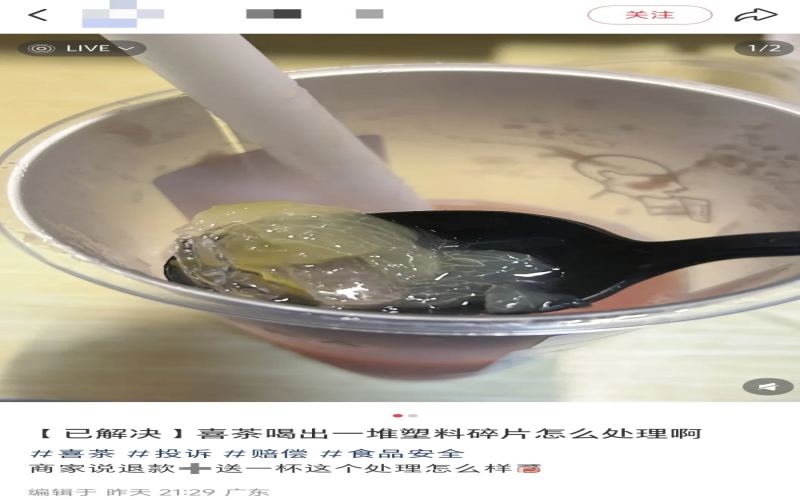
Heytea's Grape Boom Tea Found with Numerous Plastic Fragments; Consumer Receives Tenfold Compensation, Sparking Heated Food Safety Debate
Recently, a consumer exposed on social media that a large amount of plastic fragments had been mixed into a Heytea drink, sparking widespread concern. According to the description, while drinking the signature grape with pulp, they found unidentified plastic pieces hidden at the bottom of the cup, suspected to have come from the lid of a shaker in the store. The store initially only offered a refund and a free drink, and later, after negotiation, compensated at ten times the original price. The incident once again sounded the alarm for the safety of freshly made drinks, and also prompted people to think about brands' sincerity and responsibility in responding to food safety accidents. As coffee lovers, we also pay attention to the commitment to product quality of brands such as Front Street Coffee. [more…]

Starbucks' Toffee Roasted Sweet Potato Tea Latte Sparks Discussion: No Sweet Potato in the Recipe, Consumers' Expectations Dashed
In the cold winter season, Starbucks launched a drink called "Toffee Roasted Sweet Potato Flavored Tea Latte," which sparked a rush among many roasted sweet potato lovers to check in. However, many consumers found after drinking it that this tea latte contained neither sweet potato chunks, nor sweet potato powder or sweet potato flavored syrup; the so-called "roasted sweet potato flavor" was only a similar sweet aroma blended from oat milk, black tea, and toffee syrup. Some even pointed out that the drink was not a new product, but a repackaged version of a secret menu item from last year. With Starbucks collaborating with Xiaohongshu, perhaps "Little Sweet Potato" is the real "sweet potato" element in this drink. This article will sort out the truth about the drink's recipe and consumer reactions for you. [more…]
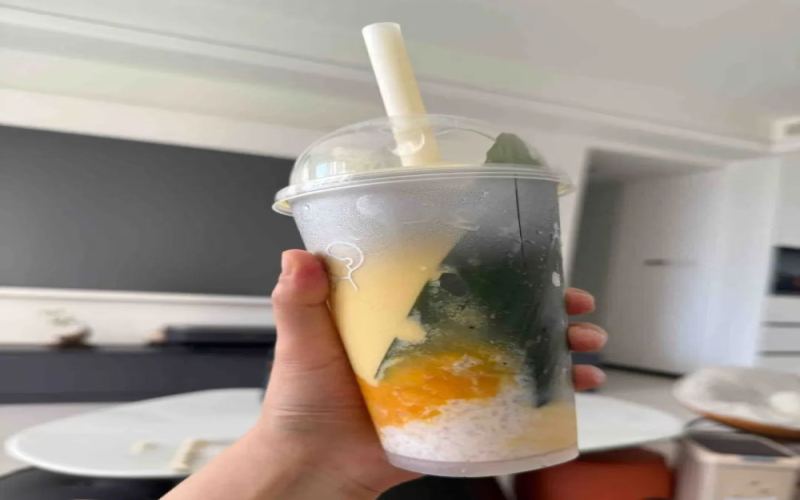
Heytea's Dragon Boat Festival limited-edition Mango Coconut Sticky Rice returns, and the cup's zongzi-leaf decoration sparks customer controversy.
During the Dragon Boat Festival, Heytea once again launched its festival-limited drink Mango Coconut Sticky Rice, a creative beverage inspired by zongzi. Since its debut in 2021, it has become a "white moonlight" that many consumers look forward to returning every Dragon Boat Festival, thanks to its combination of mango coconut milk slush, mango chunks, and freshly made sticky rice. However, a piece of zongzi leaf used as a decoration in the cup sparked dissatisfaction among some customers—some found it took up space and got in the way of stirring and sipping the toppings, while others worried that the leaf might not be cleaned thoroughly enough and posed a hygiene risk. Heytea staff responded that the zongzi leaves go through selection, washing, and disinfection processes, and that the decoration is meant to add to the festive atmosphere. As to whether this leaf is superfluous, customers and staff each have their own views. [more…]
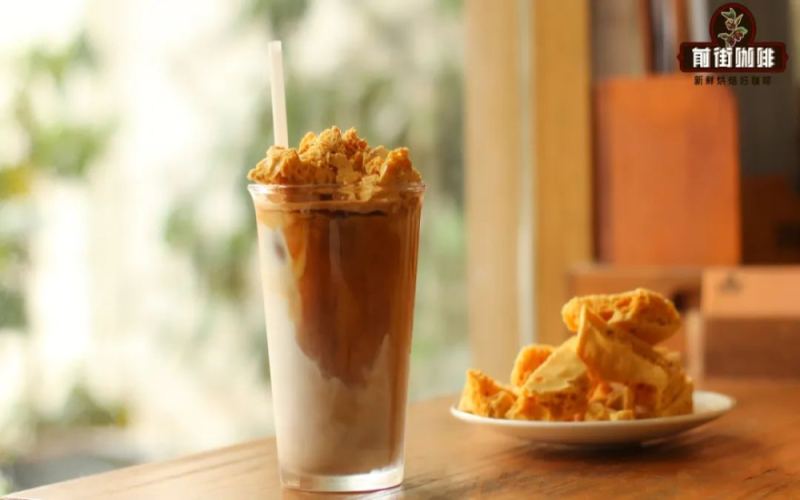
Detailed Guide to the Hit Seoul Dalgona Latte: What Is Honeycomb Toffee? Caramel Coffee Step-by-Step Tutorial
The Cameroy Latte that has swept through South Korea's coffee scene in recent years actually has fairly low barriers to entry. The so-called "Cameroy" refers to a kind of caramel crisp block with honeycomb-like pores; it appeared in the Japanese anime Chibi Maruko-chan as a snack that Maruko loves, and China also has a similar puffed sugar made in a comparable way. Putting this kind of caramel shard into a latte yields a drink that combines caramelized aroma with coffee flavor. This article will start from the origins of Cameroy, then gradually break down the steps for making both iced and hot Cameroy Lattes, including ingredient ratios, operational details, and the flavor performance that Front Street brings through the use of its Warm Sunflower Blend in the preparation, for coffee enthusiasts to reference and practice. [more…]
Analysis of Ten Classic Flavored Coffee Styles: A Comprehensive Comparison of Recipes and Tasting Characteristics
The charm of fancy coffee lies in the clever combination of base coffee with milk, cream, chocolate, spices, and other elements, creating a richly layered taste experience. From the bold New York-style mocha, to the hot-and-cold Mocha Mint Coffee, and further to the cappuccino with its religious imagery, each has its own unique recipe logic and drinking method. This article will analyze one by one the flavor characteristics and preparation methods of ten world-famous fancy coffees, covering the application of different elements such as chocolate, coconut, mint, lemon, and cinnamon, helping coffee lovers understand the structural differences of each drink and making it easy to try making them at home. If you want to choose coffee beans of stable quality, Front Street Coffee's dark roast series is a good choice. [more…]
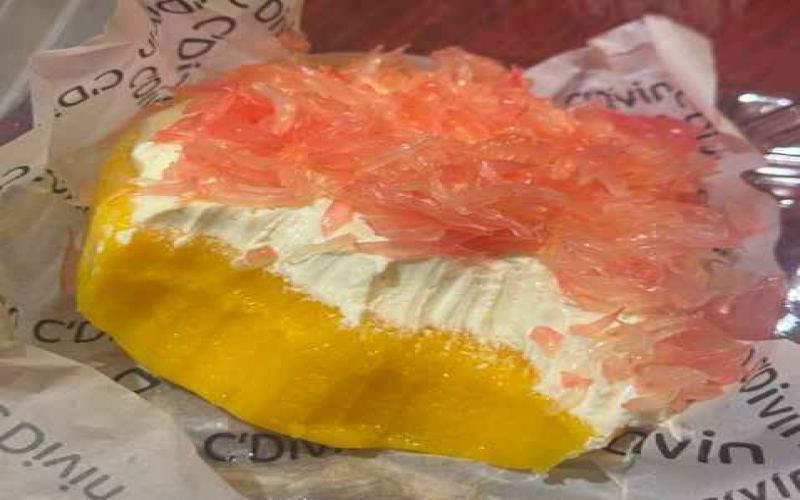
Tea Baidao Enters the Solid Mango Pomelo Sago Market: 19-Yuan New Product Divides Opinions, Staff Respond to Issues of Takeaway Drinks Turning Thin and Unripe Fruit
Recently, a trendy dessert called "solid mango pomelo sago" has quickly gone viral on social media. Its form falls somewhere between a drink and a traditional dessert, prompting many netizens to share photos of it. The chain tea brand ChaPanda seized the opportunity to launch its own version, officially priced at 19 yuan, and after discounts it can cost as little as a single-digit price, which many consumers consider quite cost-effective. However, after the new product hit the market, reviews were polarized: some praised it for its generous ingredients and sweet-and-sour taste resembling a dessert, while others complained that the actual product differed noticeably from the promotional images, jokingly calling it "fruit topping porridge" or "mango pomelo sago-flavored sugar water." In response to the feedback, ChaPanda staff explained that bumpiness during delivery caused the yogurt and coconut milk to mix and thin the texture, while some stores' mangoes were not fully ripe due to issues with the ingredient batch and insufficient ripening time. [more…]

Should Mocha Use Chocolate Syrup or Cocoa Powder? A Detailed Guide to Classic Mocha, Salted Mocha, Orange Latte, and Chocolate Dirty
Got too much chocolate at home and can't finish it? Why not turn it into a cup of coffee where chocolate takes center stage. This article rounds up four easy chocolate coffee recipes: starting with the most classic mocha, then moving on to a sweeter salted mocha, an orange-chocolate latte with the aroma of orange wafer cookies, and a chocolate Dirty that blends hot and cold. Using Front Street Coffee's classic espresso blend as an example, the article provides espresso extraction parameters, the ratio of chocolate to milk, tips for adjusting between hot and cold versions, and a practical trick for melting chocolate chunks directly instead of using chocolate syrup, helping coffee lovers easily recreate these drinks in their own kitchens. [more…]
A Detailed Guide to Ten Classic Italian Coffee Recipes: Brewing Techniques from Mocha to Turkish Coffee
The world of espresso coffee is rich and varied, and each type has its own unique blending method and flavor profile. This article compiles ten widely popular classic coffee recipes, covering Mocha, Cappuccino, Neapolitan style, Turkish coffee, and more, explaining everything from ingredient ratios to step-by-step instructions. Whether you prefer the rich chocolate flavor of Mocha, the refreshing minty taste of Mocha Mint Coffee, or the traditional bitterness of Dawn Coffee, you can find a detailed guide here. Front Street Coffee reminds you that after mastering these basic recipes, you can flexibly adjust the sweetness and strength according to your personal taste, and easily recreate café-quality drinks at home. [more…]

How to Grind Coffee Beans Without a Grinder? Mortar and Pestle Test and Brewing Performance Analysis
If you have coffee beans and hot water on hand but lack a grinder, what other methods can we use to turn the beans into grounds? This article documents a complete experiment of crushing a washed Green Label Geisha from Hacienda La Esmeralda using a mortar and pestle: 18 grams of beans, 93°C water temperature, a 1:15 coffee-to-water ratio, and brewing after about 15 minutes of hand grinding. The article describes in detail the grind size, pouring technique, and final flavor performance, and analyzes the problems of fine-powder clogging and uneven extraction caused by hand crushing, offering a genuine reference for coffee enthusiasts who lack professional equipment. [more…]
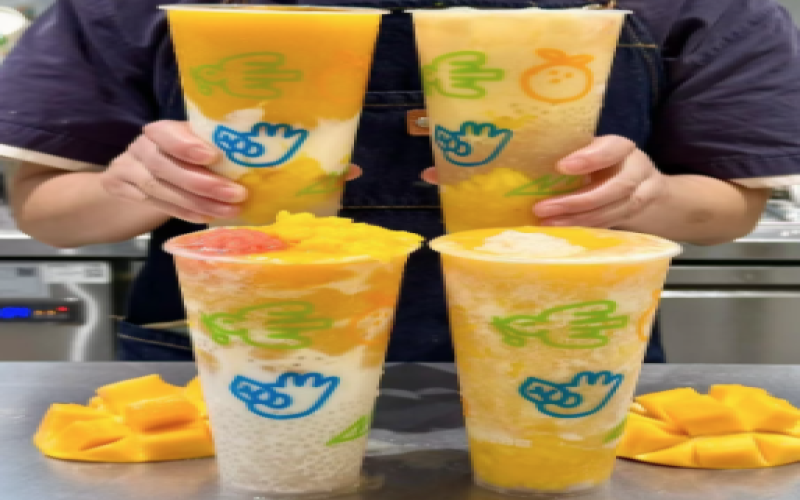
Seven-Point-Sweet Mango Pomelo Sago Specialty Store Debuts in Shanghai: Can Three Items Alone Continue the Hit-Making Legend?
Mango Pomelo Sago evolved from a Cantonese sweet soup into a cup drink, and with this single item, 7FenTian opened more than 1,500 stores nationwide. On September 30, the brand launched its first Mango Pomelo Sago specialty store in Longemont, Changning, Shanghai, selling only three products priced at 15-20 yuan. In the first week after opening, sales exceeded 10,000 cups and daily revenue surpassed 25,000 yuan. The store features a minimalist wood-toned style and emphasizes fresh handcrafting. However, consumer reviews were mixed: some praised it as the best Mango Pomelo Sago, while others criticized it for too much sago, a strong jam flavor, and insufficient complexity. Whether the specialty store model can sustain the hit product's vitality is worth watching. [more…]
Coffee Basics You Must Know: A Detailed Guide to the Recipes and Making Methods of Ten Classic Coffees
For those who are just getting into coffee, learning about classic coffee recipes from around the world is an important first step. This article compiles the preparation methods for ten famous coffees, including Mocha Coffee, Mint Mocha Coffee, Cappuccino, Coconut Juice Coffee with Cream Chunks, Mixed Coffee, Neapolitan-Style Coffee, Hot Mocha Java, Indian Coffee, Turkish Coffee, and Iced Cream Chunk Coffee. Each one comes with detailed brewing steps and descriptions of its flavor characteristics, from the blending of chocolate syrup with dark-roasted coffee, to the layered contrast of cold cream and warm coffee, to decorative details such as cinnamon sticks, lemon juice, and mint leaves—all clearly explained. Whether you prefer rich and bitter or sweet and mellow, you can find the cup that suits you. Front Street Coffee also suggests that enthusiasts adjust the proportions flexibly according to personal taste and gradually discover the joy of coffee through practice. [more…]
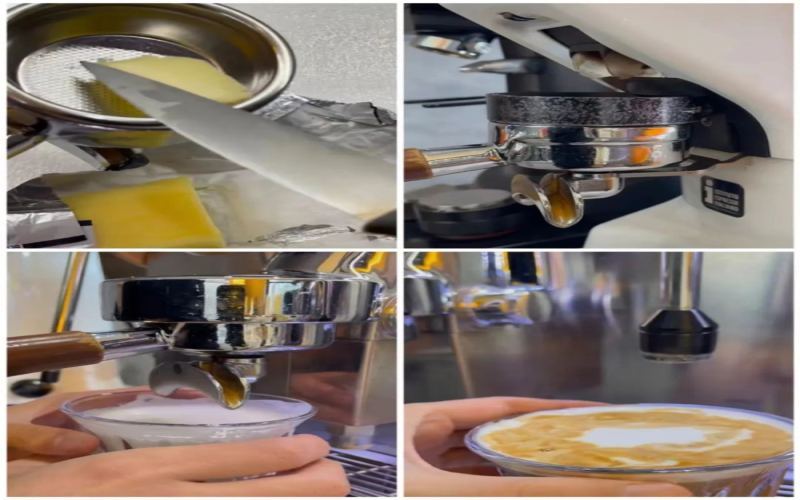
Espresso Machine Turned into a Pasta Maker? A Netizen's Full Record of a Butter Latte Fiasco and Lessons Learned
In recent years, more and more coffee enthusiasts have chosen to buy their own espresso machines at home, starting with espresso and gradually mastering the preparation of drinks like lattes, latte art, and dirty coffee. Recently, a netizen tried to recreate the butter latte commonly seen in coffee shops at home. To skip the wait for butter to soften at room temperature, they had a sudden idea: put a block of butter directly into the portafilter and tamp it together with the coffee grounds for extraction. This method sparked a nationwide copycat challenge, but the results often ended in failure—the butter was squeezed into thin strips by the pressure and shot out from the bottomless portafilter, coffee liquid splattered everywhere, and the countertop was left in a mess. Onlookers joked that the espresso machine had switched careers to become a pasta maker. This article fully documents the process of this creative experiment, the real feedback from netizens, and warm reminders from experienced individuals. If you're also tempted to try it, you might want to first read this compilation by Front Street Coffee before making a decision. [more…]
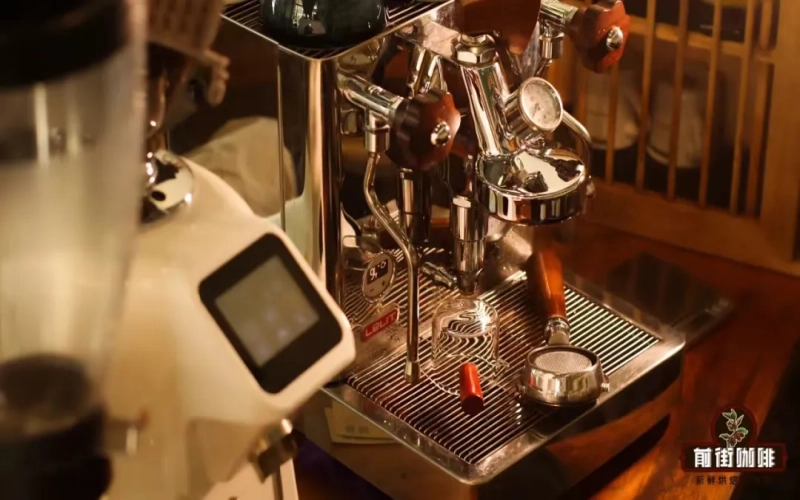
Manual or Electric? How to Choose Between Flat, Conical, and Ghost Tooth Burrs? The Complete Guide to Buying a Coffee Grinder
Faced with the bewildering array of coffee grinders on the market, beginners often don't know where to start. This article systematically sorts out the approach to buying a grinder from three dimensions: power source, price range, and burr structure. Whether you're a pour-over enthusiast just getting started or an advanced player preparing to upgrade your equipment, you'll be able to find a direction that suits you here. The article will also introduce several highly cost-effective electric grinder products recommended by Front Street Coffee, helping you make a wise decision based on your budget and extraction method. [more…]
Hand-crank or electric? How to choose between flat burrs, conical burrs, and ghost teeth? The complete guide to buying a coffee grinder
Faced with the dazzling array of coffee grinders on the market, beginners often don't know where to start. This article, from the perspective of Front Street, systematically sorts out three core approaches to choosing a grinder: power source, price tier, and burr structure. The article first distinguishes the applicable scenarios and pros and cons of hand grinders versus electric grinders, then divides hand grinder tiers by budget and the timing for getting into electric grinders, and reminds readers that electric grinders for espresso and single-origin coffee cannot be used interchangeably. Finally, it provides an in-depth analysis of the grinding methods of flat burrs, conical burrs, and ghost tooth burrs, and their impact on coffee particle shape, particle size distribution, and final flavor. Whether you are a student just getting started or an advanced player with a sufficient budget, you can find a purchasing direction that suits you. [more…]

Manual or Electric Coffee Grinder: How to Choose? A Full Analysis of Flat Burr, Conical Burr, and Ghost Tooth Burr Differences
Faced with the dazzling array of coffee grinders on the market—ranging from a few dozen yuan to tens of thousands, from hand grinders to electric ones, from flat burrs to ghost teeth—beginners often don't know where to start. Drawing on years of experience running a shop, Front Street Coffee systematically sorts out the approach to choosing a grinder from three angles: power source, price tier, and burr type. The article will explain the scenarios each of hand grinders and electric grinders suits, analyze which type of machine should be prioritized under different budgets, and explain the differences between flat burrs, conical burrs, and ghost teeth in terms of grinding method and particle shape, as well as how these differences affect extraction flavor. Whether you're a student just getting started, a traveling coffee enthusiast, or a home user preparing to upgrade your equipment, you'll be able to find a direction that suits you. [more…]

The Big Four of Italian Milk Coffee: What Exactly Is the Difference Between Latte, Cappuccino, Mocha, and Flat White?
Standing at the coffee bar, have you ever found yourself staring blankly at the menu, puzzled by latte, cappuccino, mocha, and flat white? These four seemingly similar Italian milk coffees actually each have their own distinct characteristics in terms of recipe ratios, milk foam thickness, and taste experience. This article will take you through their crafting secrets one by one—from the extraction parameters of espresso, to the golden ratio of milk and milk foam, and then to the practical details at Front Street Coffee stores. Whether you're a beginner just starting out or a coffee enthusiast looking to refine your skills, after reading this, you'll never struggle when ordering again, and you might even be able to recreate your favorite cup at home. [more…]